How to Tell the Difference Between Ear Pressure and Ear Infections
Toledo’s late summer allergy season brings heavy ragweed pollen off


By: admin | May 18, 2026
Allergy season tends to get talked about in terms of sneezing, congestion and itchy eyes, but for a lot of people the ears are just as affected.
That feeling of pressure or fullness that builds up during high pollen days is often directly connected to what your allergies are doing to the tissue and drainage pathways nearby.
It doesn’t always feel like an allergy symptom, which is part of why it can be so frustrating to deal with. When your ears feel off, it has a way of affecting more than just your comfort. Conversations become harder to follow when there’s pressure or muffling involved.
Focus takes more effort when there’s a persistent ache in the background. Understanding what’s behind those symptoms and what can be done about them makes it easier to get through the season.
The Eustachian tube is a small passage that connects the middle ear to the back of the nose and throat, and its job is to keep pressure balanced on both sides of the eardrum.
Most of the time you do not notice it working. When allergies, congestion or irritation cause that tube to swell or stop opening normally, pressure can build inside the ear instead of releasing the way it should.
That is often what creates the feeling of discomfort or fullness people notice during allergy season or after being sick.
The issue is not always the ear itself, but the way pressure and airflow are being regulated behind the eardrum. Which is why ear discomfort can sometimes seem to appear alongside sinus or nasal problems even when there is no ear infection present.
Ear discomfort tied to allergies is often connected to the same triggers that cause congestion and sinus irritation. When inflammation affects the nose and throat, it can also interfere with pressure regulation in the ears.
This can lead to that blocked or uncomfortable feeling many people notice during allergy flare-ups. Common allergy triggers that may affect your ears include:
When congestion develops from allergies, a cold or irritation, the surrounding tissue can swell and restrict normal movement through the tubes.
That pressure imbalance is one reason ear discomfort often appears alongside sinus or nasal problems. Ongoing congestion can also interfere with how the ear drains fluid over time.
Certain signs can help you determine if your ear pain is related to allergies. These symptoms often appear alongside other allergy problems like sneezing, itchy eyes or a runny nose.
Ear pain linked to allergies usually comes and goes depending on your exposure to specific triggers.
Some signs that suggest allergy-related ear pain include:
An ENT can examine the ear more thoroughly and determine whether inflammation, fluid buildup or another condition is contributing to the discomfort.
They may also recommend testing if the cause is unclear or symptoms keep returning. Getting answers sooner can help prevent the issue from becoming harder to manage over time.
An ENT uses a combination of your medical history and a physical exam to determine if allergies are causing your ear problems. They may ask about when your symptoms started, what makes them worse and if you have other allergy signs like sneezing or itchy eyes.
This information helps your ENT connect your ear pain with possible allergy triggers. During the exam, they look inside your ears, nose and throat using a lighted tool called an otoscope.
They check for swelling, fluid behind the eardrum or redness that can indicate allergy-related issues. Sometimes your ENT may gently press around your ears or ask you to swallow to see how well the Eustachian tube is working.
When inflammation affects the nasal passages and ears at the same time, treatment usually focuses on reducing swelling and improving normal drainage and pressure balance.
The right option often depends on whether allergies, infection or ongoing irritation is causing the problem.
Medical treatments that may help reduce nasal and ear inflammation include:
Some antihistamines may cause drowsiness, while others are less likely to do so. Decongestants can help open blocked nasal passages but should not be used for long periods without consulting an ENT.
Keeping allergy symptoms under control may lower your chances of experiencing ear pain or fluid buildup linked to allergies.
Nasal sprays are often suggested to help relieve ear pressure caused by allergies. These sprays work by reducing swelling and congestion in the nasal passages, helping open the Eustachian tube.
When this tube is clear, air pressure in your middle ear balances more easily, leading to less discomfort.
Most nasal sprays used for this purpose are either steroid-based or saline solutions. Using them as directed may help manage both nasal and ear symptoms during allergy season.
Including allergy testing can help identify whether ongoing inflammation is being triggered by specific environmental factors instead of a short-term illness alone.
Many people treat recurring congestion or ear pressure as something they simply must manage, without realizing allergies may be contributing to the problem. Allergy testing gives an ENT more detailed information about what may be irritating the body and helps guide treatment decisions beyond temporary symptom relief.
That information can also make it easier to reduce repeat flare-ups by combining medical treatment with changes that limit exposure to specific triggers.
Simple home remedies can sometimes help with mild ear pain related to allergies. For example, placing a warm washcloth over the ear may ease discomfort by helping muscles relax and improving blood flow.
Staying hydrated is also helpful because it thins mucus, making it less likely to block the Eustachian tube.
Drinking plenty of water throughout the day supports your body’s natural ability to clear allergens and reduce congestion.
Saline nasal rinses can be useful for washing allergens out of your nose and lowering swelling that might affect your ears. These remedies may not replace medical treatments but can be helpful for easing mild symptoms linked to allergies.
Reducing exposure to common allergens can help lower the chances of flare ups that may lead to ear pain. Small changes can make a difference, especially during allergy season.
Some practical ways to avoid allergens:
But when seasonal changes bring ear pressure, discomfort or muffled hearing, there is usually an underlying reason those symptoms keep returning.
Over time, that discomfort can start affecting concentration, communication and overall day-to-day comfort more than expected. ENT Physicians Inc., in Toledo and Maumee, Ohio, works with patients who experience these kinds of seasonal ear concerns on a regular basis.
Whether you are trying to pinpoint what may be triggering the problem or want to discuss ways to reduce ongoing irritation, our team can help you take the next step. To schedule an appointment, give us a call at (419) 776-5028.

Toledo’s late summer allergy season brings heavy ragweed pollen off
By: admin | August 24, 2026
Allergy season tends to get talked about in terms of sneezing, congestion
By: admin | May 18, 2026
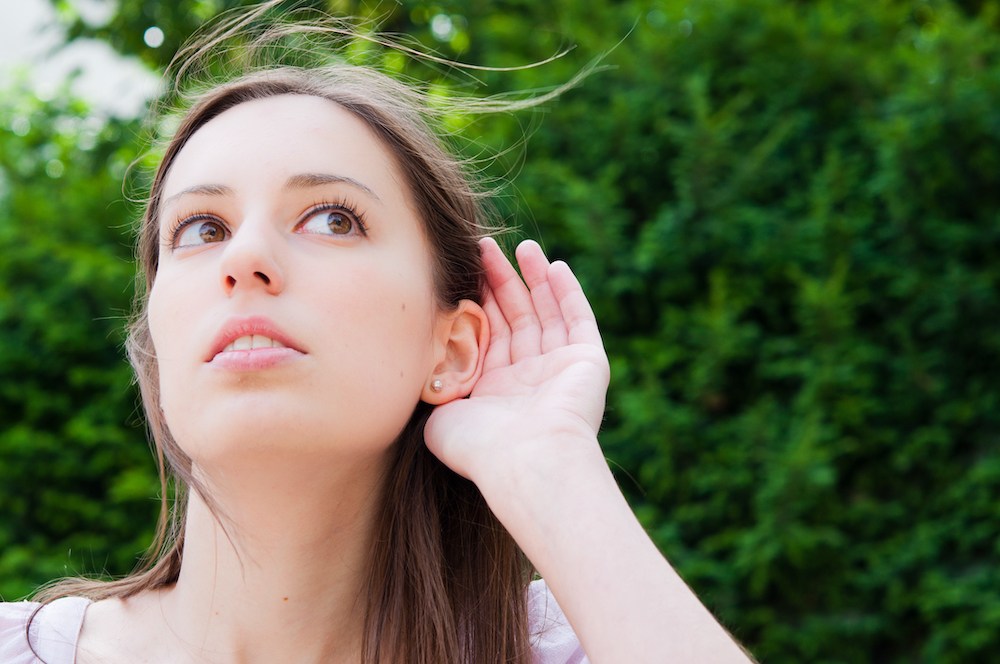
That feeling of fullness in your ear is hard to ignore once it shows up.
By: admin | March 25, 2026